

We love aluminum for heat sinks because its thermal conductivity sits around 200 W/m·K—close to copper’s but with a fraction of the weight, at just 2.7 g/cm³. It’s cheap, easy to extrude, and lets us shape intricate fins in one pass, so we can pack more surface area without bulk. The natural oxide layer and anodizing add corrosion resistance and boost radiative cooling by about 10 %. If you keep going, you’ll see how design tweaks and hybrid tech push performance even further.
Key Takeaways
- Aluminum’s thermal conductivity (≈200 W/m·K) rivals copper while being three times lighter, enabling efficient heat spread with lower mass.
- Its low density (2.7 g/cm³) permits ultra‑thin, high‑aspect‑ratio fins, reducing bulk and allowing compact, stacked designs.
- Extrusion and CNC machining create intricate fin geometries in a single pass, minimizing waste and manufacturing cost.
- Natural oxide and anodizing provide corrosion resistance and enhanced emissivity, improving durability and radiative cooling.
- Surface treatments (roughness, black anodic coating) boost convection and emissivity, while hybrid heat pipes further lower temperatures.
Aluminum Heat Sink Thermal Conductivity Advantage
Why does aluminum win when it comes to heat‑sink conductivity? We love its 150‑220 W/m·K range, especially the 237 W/m·K of pure aluminum, which moves heat fast enough for most gadgets. The alloy AL6063‑T5 hits 201‑218 W/m·K, giving us a solid edge over steel’s 50‑80 W/m·K, and it does so while keeping the part light. This high electron mobility also helps noise reduction, because cooler components run quieter. The cost tradeoffs are clear: aluminum costs far less per kilogram than copper, yet still outperforms it when weight is equal—about 204 % of copper’s conductivity. So we get strong thermal performance, lighter weight, and lower price all in one material.
Aluminum Heat Sink Low Density, High Heat Transfer
Ever wondered how a heat sink can stay light yet pull heat away fast? We love that aluminum’s density is just 2.7 g/cm³, about a third of copper, so every gram saved helps laptops, drones, and even spacecraft. Its thermal conductivity sits around 200 W/m·K, meaning heat spreads quickly across the thin fins we design. Recent design trends favor ultra‑thin, high‑aspect‑ratio fins, and aluminum’s low weight lets us stack them without adding bulk.
Manufacturing innovations keep costs down while expanding possibilities. Advanced extrusion techniques let us create intricate fin patterns in AL6063‑T5, and CNC machining adds precise cuts for airflow channels. We’ve seen 40 % lighter sinks that still move heat as fast as heavier copper parts. This combo of lightness and heat transfer makes aluminum a smart, reliable choice for today’s compact devices.
Cost-Effective Extrusion and Complex Fin Geometry
How can we keep costs low while still getting those intricate fin shapes that boost cooling? We focus on extrusion efficiency, which lets us push aluminum through a die at high speed, cutting waste and energy use. By tweaking die angles and temperature, we achieve fin geometry optimization without extra machining steps. The result is a lightweight, high‑area sink that fits tight budgets.
We also use standard alloy 6063‑T5, known for smooth flow and consistent thickness, so the die lasts longer and scrap drops below 2 %. Complex fins—like staggered or wavy patterns—are formed in a single pass, saving time and labor. This approach keeps unit cost down while delivering the surface area needed for effective heat transfer.
Corrosion Resistance and Anodizing Benefits for Aluminum Sinks
We’ve seen that a thin oxide layer forms naturally on aluminum, giving it a built‑in shield against rust and most chemicals. This layer cuts down on corrosion, so our heat sinks stay reliable longer, which means fewer replacements and a lower environmental impact. When we anodize, we add a hard, protective coating that can boost radiative cooling by up to ten times, and it also lets us color‑code parts for easy identification. Anodizing improves insulation, preventing short circuits in tight electronic packs. Because the process uses less hazardous chemicals than plating, it eases supply chain pressure and reduces waste. In short, corrosion resistance and anodizing keep performance steady while supporting greener manufacturing.
Boosting Cooling Performance With Design Tweaks
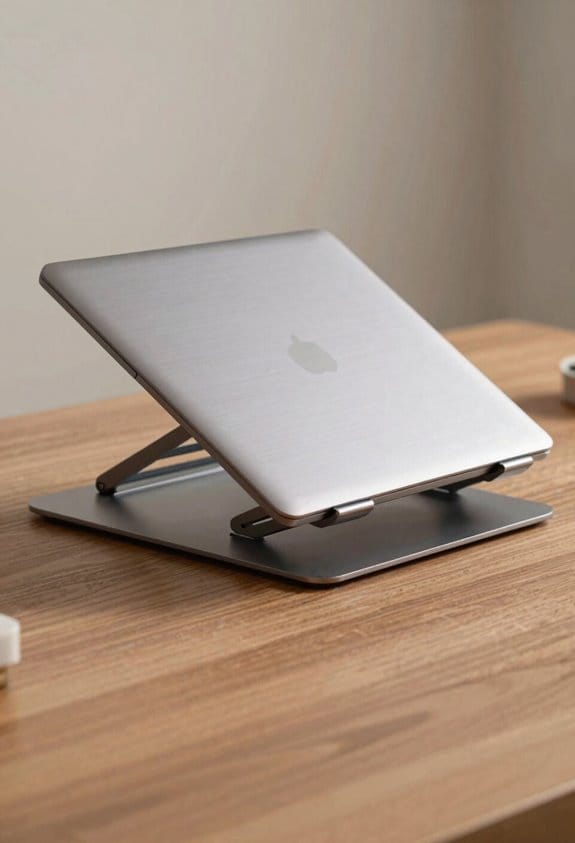
Why settle for a basic heat sink when a few design tweaks can slash temperatures by 15‑20%? We start by adding a novel coating that improves emissivity; a thin black anodic layer can boost radiative cooling by up to 10 %. Next, we roughen the fin surface. A controlled surface roughness of 5–10 µm creates micro‑turbulence, increasing convective heat transfer by roughly 12 %. We also shorten fin spacing to 2 mm, which lets air flow more efficiently without choking the fan. Finally, we add a small staggered tab on each fin edge; it disrupts boundary layers and shunts hot spots away. These tweaks are cheap, easy to test, and give noticeable gains without redesigning the whole part.
How Heat Pipes and Vapor Chambers Supercharge Aluminum Sinks
When we pair heat pipes with an aluminum sink, the temperature drop can be 40‑60 % compared to a plain finned block. The pipes pull heat from hot spots and spread it quickly across the fins, letting the metal work harder without getting too hot. We also add vapor chambers, flat spreaders that move heat in two dimensions, so even large GPUs stay cool. This combo cuts energy use, which lowers the environmental impact and lets us meet strict emissions rules. Because aluminum is abundant, the supply chain stays strong and costs stay low, so we avoid rare‑metal bottlenecks. In short, heat pipes and vapor chambers give aluminum sinks a performance boost while keeping things green and affordable.
Aluminum Heat Sink Use Cases in Electronics, Automotive, Aerospace, and LED Lighting
So, where does aluminum really shine? In laptops and phones we use thin, high‑fin aluminum sinks that keep CPUs cool while staying light, and we see the same trick in power supplies and routers where weight matters. In cars, aluminum spreads heat from the engine bay and electric‑vehicle in, helping batteries stay safe without adding bulk, and we often pair it with heat pipes for extra pull. In aircraft, the 2.7 g/cm³ density saves fuel, so we mount aluminum modules on avionics and LED lighting, where the 150–220 W/m·K conductivity lets LEDs run hotter without dimming. These topic ideas cross industry lines, yet each stays focused on cheap, strong, and easy‑to‑shape aluminum.
Aluminum Heat Sink vs. Copper vs. Steel: Which Wins?
We’ve already seen how aluminum’s light weight and good heat‑spreading help laptops, cars, and aircraft, so let’s compare it side‑by‑side with copper and steel. Aluminum conducts 150‑220 W/m·K, copper 380 W/m·K, steel only 50‑80 W/m·K. However, aluminum’s density is 2.7 g/cm³ versus copper’s 8.9 g/cm³, so we save weight and reduce thermal fatigue in tight spaces. Copper’s higher conductivity can offset weight, but it costs more and is harder to scale in production. Steel is cheap but heavy and slow at spreading heat, making it a poor choice for high‑power devices. In most cases we pick aluminum for its balance of performance, cost, and easy production scaling.
Frequently Asked Questions
Do Aluminum Heat Sinks Work With Liquid Cooling Loops?
Yes, we’ve paired aluminum heat sinks with liquid cooling loops because their excellent heat transfer boosts cooling efficiency while their lightweight nature ensures weight reduction, keeping overall system mass low.
Can Anodized Aluminum Cause Electrical Interference in Circuits?
We’ll tell you straight: anodized interference is minimal, as the oxide layer insulates aluminum cooling parts, preventing most circuit noise—so you can safely use anodized aluminum without worrying about electrical interference.
What Is the Environmental Impact of Aluminum Recycling for Heat Sinks?
We’re glad you asked—aluminum recycling dramatically cuts environmental impact, saving up to 95% energy versus primary production and reducing greenhouse‑gas emissions, making heat‑sink reuse both eco‑friendly and cost‑effective.
Are There Temperature Limits Where Aluminum Outperforms Copper?
We find aluminum outperforms copper up to about 200 °C, where its cooling efficiency stays high and its lower density eases material selection; beyond that, copper’s conductivity gains advantage.
How Does Surface Finish Affect Acoustic Noise From Fan‑Cooled Aluminum Sinks?
We find that a smoother surface finish reduces turbulence, lowering the acoustic impact of fan‑cooled aluminum sinks, while a rougher finish increases airflow disturbance and noise. Use polished or anodized finishes for quieter operation.


