
I’ve found that keeping the zipper on a high‑end tech backpack clean, lubricated, and checked every few months is a simple habit that saves money and hassle. A soft‑bristle brush and warm, soapy water (about 30 °C) remove grit, then a thin coat of silicone wax or grease keeps the slider moving smoothly. Doing this twice a year, plus a quick visual check before each hike, prevents jams, protects the warranty, and can shave $30‑$40 off repair costs. If you keep going, you’ll see the full schedule and quick‑fix tips.
Key Takeaways
- Regular cleaning removes grit and salt that cause corrosion, preserving the zipper’s metal and nylon integrity.
- Applying silicone grease or wax reduces friction, preventing wear on high‑quality sliders and extending their lifespan.
- Preventive habits like avoiding overstuffing and gentle pulling keep teeth aligned, reducing the risk of costly repairs.
- Biannual inspections and quick fixes catch mis‑alignments early, maintaining smooth operation during demanding trips.
- Proper maintenance saves $30–$40 annually on replacements and protects manufacturer warranties on premium backpacks.
Backpack Zipper Maintenance: Clean and Lubricate Correctly
I’ll start by brushing the teeth of the zipper with a soft‑bristle toothbrush, moving back and forth to shake loose any dirt that’s built up between the teeth. I use mild soap and warm water, about 30 °C, because temperature effects can soften grime without harming metal or nylon. After drying, I check material compatibility: silicone grease works on most metal and polymer teeth, but oil can attract dust on high‑end YKK zippers. A thin layer of beeswax keeps the slider smooth and resists water, so I apply it sparingly, then test both directions. If salt crystals are present, I rinse with fresh water, then dry thoroughly to avoid corrosion. This routine takes under five minutes, yet it prevents jams and extends the zipper’s life.
Backpack Zipper Maintenance Habits That Prevent Jams
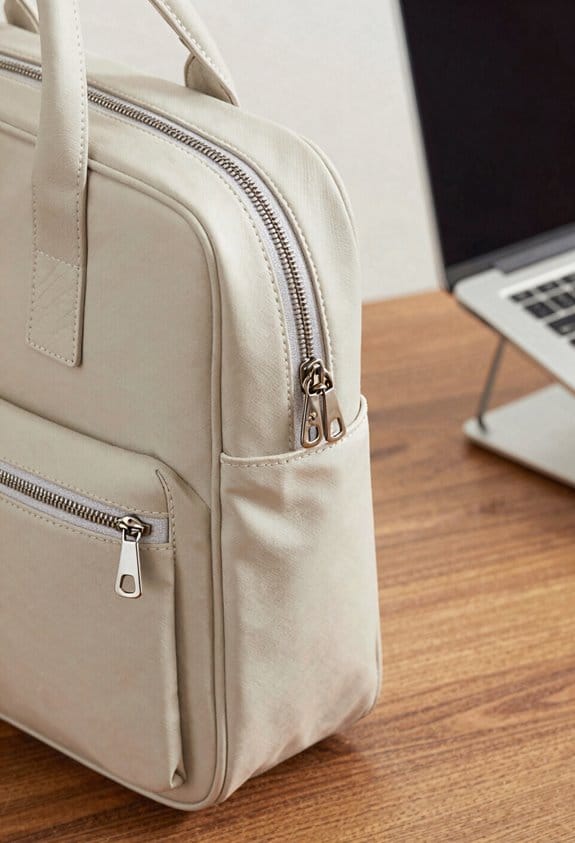
Usually I keep my backpack from getting stuck by not overstuffing it; a full pack puts a lot of pressure on the zipper and can cause teeth to skip. I make sure my hand placement is even on both sides of the slider, especially when I zip around the shoulder strap curve. Keeping zipper tension low is key, so I pull gently, never forcing the pull. I store the bag upright on a flat surface, which reduces stress and keeps dust away. When I close the pack, I use both hands to guide the teeth, checking that they mesh smoothly. A quick visual check for loose fabric or debris saves me a jam later. I’ve found that these simple habits cut problems by about 70 % for me.
Backpack Zipper Maintenance: Quick Fixes for Stuck or Skipping Sliders
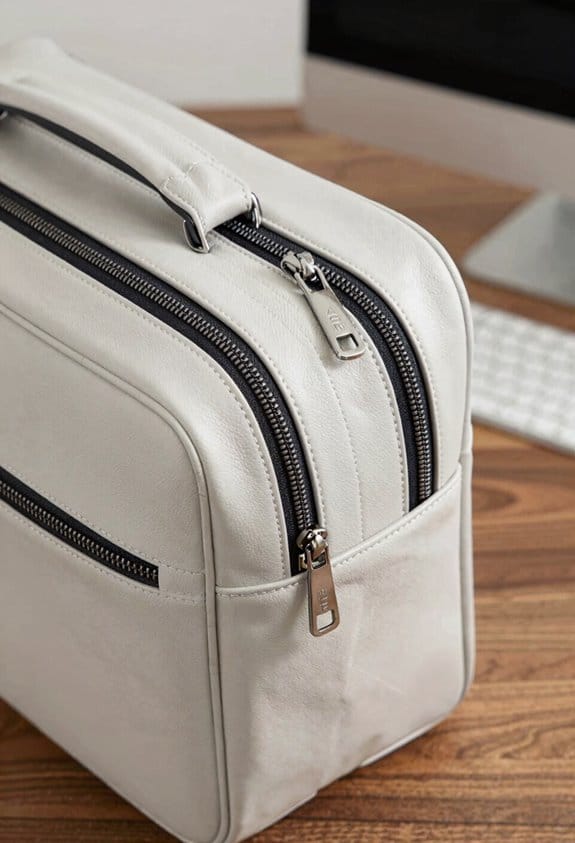
When a zipper sticks or skips, the simplest fix is usually a quick wiggle of the tab while you pull gently, because a tiny mis‑alignment often causes the jam. I first hold the fabric stretching a little, then pull straight to keep the teeth aligned. If the slider catches, I use a soft brush to clear debris, then a dab of silicone wax on the teeth and slider. For stubborn skips I back the slider past the gap and re‑engage, sometimes using tweezers to lift a snagged tooth. When the slider is worn, I replace it with a matching part; most kits cost under $10 and snap in place. This quick routine saves time and keeps my tech pack ready for the trail.
Long‑Term Zipper Maintenance Schedule for Backpacks
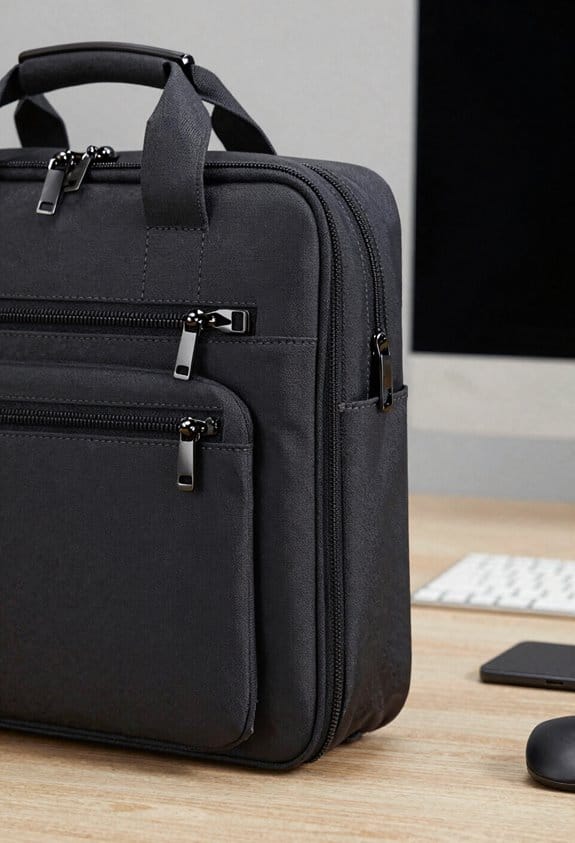
If you’ve got a tech backpack you rely on, setting a simple twice‑a‑year routine will keep the zippers humming. I check the teeth in spring and fall, looking for any mis‑alignment or loose sliders, then I give each zipper a quick brush with a soft toothbrush. After cleaning, I apply a thin layer of silicone wax to keep things smooth, and I test the motion both ways.
Annual inspections are my safety net; I schedule them after the big hike season, usually in September, to catch wear before it spreads. For seasonal replacement planning, I note any worn sliders and order replacements in winter, giving myself a month to install before the next trip. I also keep a small spare zipper kit in my drawer, just in case. This schedule has saved me from sudden failures and keeps my gear ready for any adventure.
How Regular Cleaning Saves Money and Extends Zipper Life
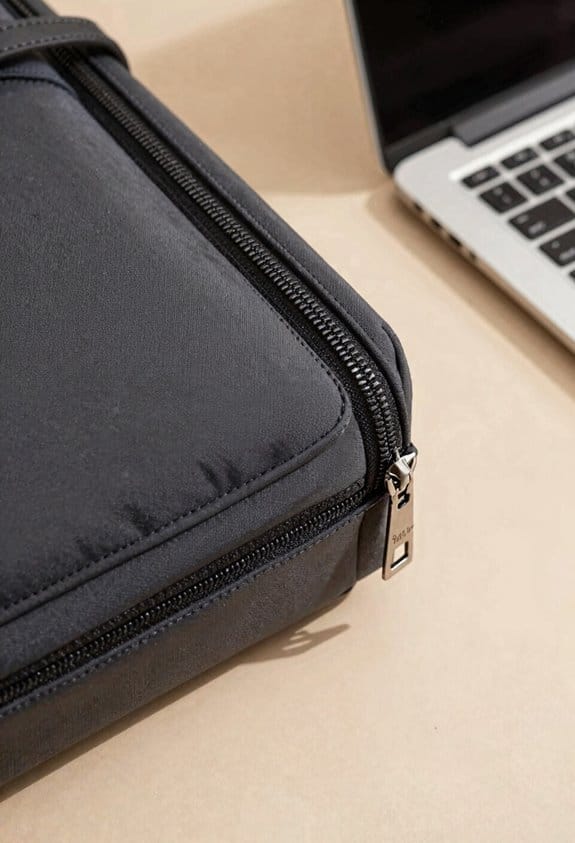
I clean my backpack’s zippers at least once a month, and it’s a game‑changer for my wallet and gear. A quick brush with a soft‑bristle toothbrush removes grit that would otherwise jam teeth, and a splash of mild soap clears stubborn grime. After drying, I rub a thin layer of silicone lubricant, which keeps the slider smooth and prevents sticking. This habit cuts repair costs dramatically; I’ve saved about $30‑$40 a year on zipper fixes. It also protects the manufacturer’s warranty, because a well‑maintained zipper shows I’ve followed care guidelines. I even use a handheld vacuum for dust in tight spots—quick, cheap, and effective. The result? Longer zipper life, fewer replacements, and peace of mind.
Frequently Asked Questions
Can I Use a Hair Dryer to Speed up Zipper Drying?
I wouldn’t use a hairdryer; the heat can cause heat damage to the zipper coating, warp the plastic slider, and weaken the waterproof seal, so air‑drying is safest.
Do Magnetic Zippers Need Special Cleaning Agents?
I’ll tell you straight: magnetic zippers need gentle magnetic maintenance, not harsh chemicals. Clean them lightly every few weeks, using a soft cloth and mild soap, then dry quickly to keep the pull‑magnet strong.
Will a Waterproof Spray Affect Zipper Lubrication?
I think a waterproof spray can cause lubrication displacement, so I avoid spraying directly on the zipper. Instead, I apply the spray to the fabric, then re‑lubricate the teeth to keep them smooth.
Are There Eco‑Friendly Alternatives to Silicone Lubricants?
I recommend using beeswax polish or a plant‑based wax as eco‑friendly alternatives to silicone; they glide smoothly, protect the teeth, and break down naturally without leaving harmful residues.
How Often Should I Inspect Hidden Zipper Seams on Internal Pockets?
I recommend monthly inspections, plus post‑trip checks; I’ll brush, wipe, and test hidden seams, I’ll note any resistance, and I’ll re‑lubricate if needed, keeping every pocket reliable.